
For anyone getting into game development, joining the indie scene has become an increasingly enticing proposition. As console manufacturers like Nintendo and Microsoft continue to actively support and promote indie devs and their games, small team developers are pretty hot right now. But as the scene gets larger, it is becoming harder to acquire this coveted popularity. Even though the scene is getting larger by the day, finding success is not impossible in today’s landscape; in fact, the hit title Cuphead has become even more popular than the industry would have possibly imagined. Many have wondered why it is that games like this have stood the test of time, especially considering that there were other good indies around at its release. Although this may be a controversial opinion, I believe that their long lasting success is due to their unique art styles, and more specifically that they did not use pixel art.
This is not to say that there have not been popular 8 or 16 bit indies in the past; in fact, there have been many quality titles that chose to use this art style. However, I still believe that a simple art style choice makes all the difference, and Behemoth’s Castle Crashers is a terrific example of what I mean. At the time, the indie scene was seeing its first boom, and there were a ton of quality titles being released. Although there were other indies I had played and enjoyed at the time, none stood out to me as much as Castle Crashers.
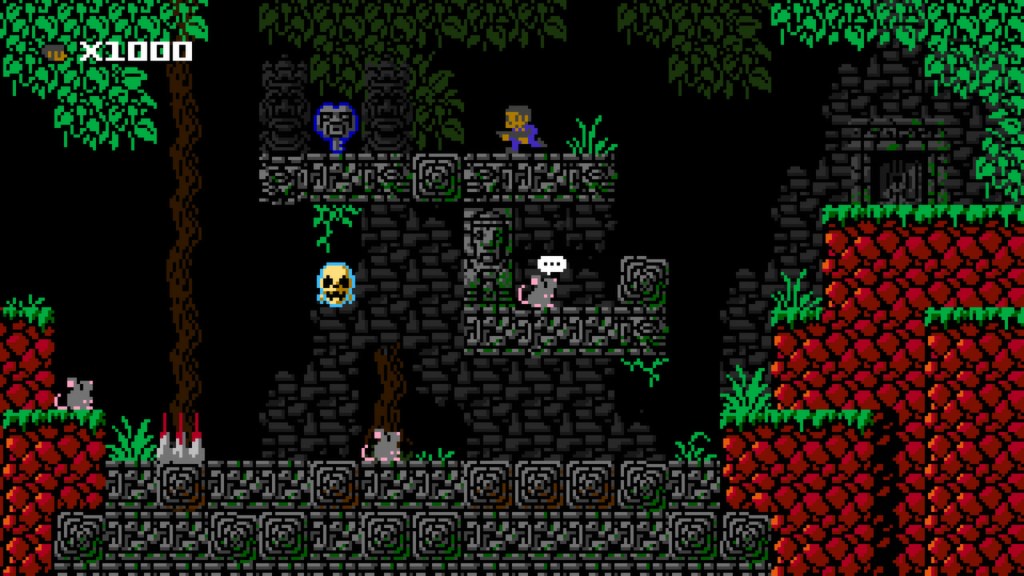
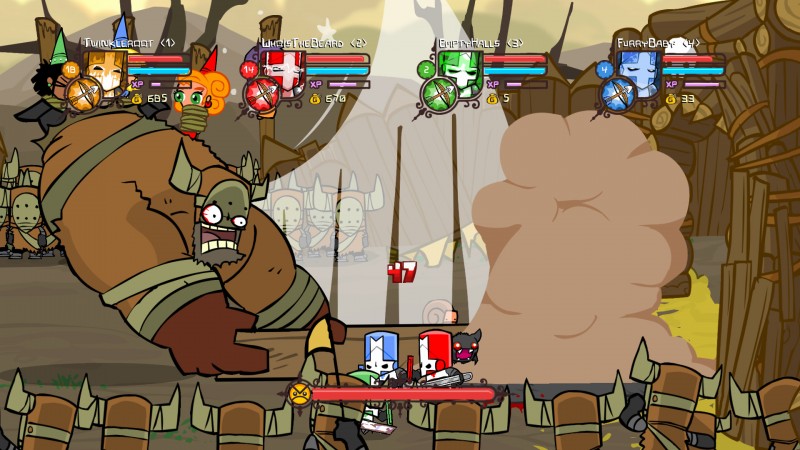
The game not only had a fun gameplay loop, but it had a really clean cartoony style that set it apart from the rest. There were other games that I thought were well made, such as 1001 Spikes with its great level design and fun platforming, but it did not stick with me nearly as much as Castle Crashers did due to its 8 bit art. Although I believe both were well crafted and deserve the positive press they received, 1001 Spikes blended in with all of the other pixel art games of the time. It was a pretty fun game, but the benefits of having a special presentation gave Castle Crashers the edge.
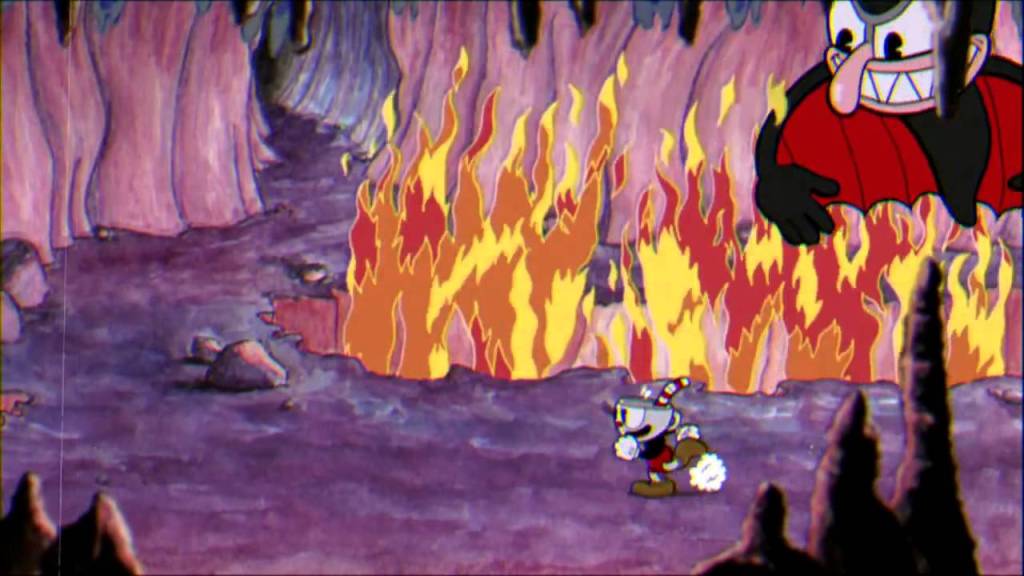
Even in today’s landscape, some of the most popular indies are ones with unique art styles. For instance, for the 2017 title Cuphead, a small handful of artists hand drew the entire game in the style of a cartoon from the 1930s and ‘40s. When it was first shown off in a highlight reel of indie titles on Microsoft’s E3 2014 showcase, there were many run-of-the-mill pixel art games shown with it. With less than one second of screen time, Cuphead was able to stand out with its unique art style, and was the talk of the show for weeks on end. Just like before, there were many great titles shown with Cuphead, but it was able to set itself apart from the others because it stood out from the 8 bit crowd. Now, being three years removed from its release, it has sold over 3 million copies (as of 2018) and has been ported to the Nintendo Switch. 2008’s Braid had a very similar story, with it being a hand drawn game that both gained and retained popularity because of it. Both were celebrated for their great gameplay, but their art styles were what truly made them unique.
I know the reason indie devs choose pixel art is due to their limited budgets and team size, but if they truly want their games to be remembered and celebrated in a decade, they need to consider taking their artistic talent to the next level.

